Searching “crypto scam forum onion” yielded a niche .onion site discussing Bitcoin fraud, with active user threads that Ahmia and Torch missed. I’ve relied on them for over a decade to uncover everything from obscure tech blogs to leaked datasets, and their evolution mirrors the dark web’s growing complexity. However, WormWeb primarily supports English and German searches, which could be a limitation. Some sites might use these details for advertising, analytics, or tracking your online preferences.
Do I Need Special Software To Access Dark Web Search Engines?
- As a result, it not only focuses on the UK but also provides worldwide news.
- Through the surface web, also known as the clear web, netizens can utilize the visible part of the web to retrieve information using search engines.
- Their URLs (aka dark web links) have .onion as the domain, instead of the common surface web domains like .com or .net.
- AOL is a web portal and search engine with 0.02% of the global search engine market share.
- And in 2015, it would rebrand as Haosou—the name it’s known by today—which directly translates as “good search engine”.
In 2019, I used Torch to locate a Tor-based library of public-domain eBooks for a privacy piece. Searching “eBook library onion” returned dozens of results, including a functional .onion site with thousands of titles. Ahmia’s filtering kept me away from shady marketplaces peddling stolen data, saving me from potential scams. However, when I searched for a specific blockchain-related forum, Ahmia returned only two results, and I had to use Torch for broader coverage. Visit the official Tor Project website and download Tor Browser for your OS (Windows, macOS, Linux, Android). Install and launch Tor, adjusting to “Safer” or “Safest” mode in settings to disable JavaScript and enhance security.
How To Use Tor, And Is It Safe To Access The Dark Web?
- Today, deep web search engines are evolving to meet the demands of a growing user base.
- As always, use Tor Links with care, as it includes onion links to dubious or illegal activity.
- Integrate with tools like dark web monitoring services for alerts on credentials or IP theft.
- The goal of an anonymous and privacy network, Tor, is not to engage in the extensive collection of data.
- Widely considered the best private search engine, it’s the default search engine on Tor browser.
AI-powered algorithms are being used to categorize and prioritize search results, making it easier for users to find relevant information on the hidden web. Exploring the invisible web can dramatically expand your online research and discovery. The 11 search engines listed here offer unique access to hidden databases, archives, and resources that go beyond traditional search methods. This search engine’s mission is to be leaders in providing services on the deep web, protecting the anonymity of each user.
Ahmia’s Ethical Leap And Safety Standards
Users can also specify the exact market they wish to search, offering a tailored browsing experience. With a database comprising data from over 40 marketplaces, 23,000 vendors, and featuring more than 1.3 million reviews, Recon offers an unparalleled depth of information. Its clean, simple interface ensures ease of navigation for a diverse user base including buyers, vendors, and researchers. Recon Dark Web Search Engine emerges as a newcomer to the realm of premier Dark Web Search Engines in 2024.
Global Market Share Distribution (
To avoid these dangers, always use deep search engines with encrypted connections and advanced filtering options. If a link seems suspicious, it’s better to err on the side of caution. To use Kilos effectively, begin by accessing it through the Tor browser to ensure privacy.
Stealth Search is a Deep Web search engine that prioritizes user anonymity and security. With built-in VPN capabilities and strong encryption protocols, Stealth Search ensures that user data remains protected while browsing the hidden web. DarkSearch is a cutting-edge Deep Web search engine that prioritizes user privacy and security. With advanced encryption protocols and a user-friendly interface, DarkSearch is quickly gaining popularity among Deep Web users who value anonymity and protection. DeepSearch (2020) shifted toward precision, indexing a curated ~5,000 sites for targeted queries, appealing to technical researchers and journalists.
What Is The Dark Web And How To Access It?
However, while browsing the dark web itself is lawful, taking part in illegal activities — like buying or selling illegal goods or engaging in criminal behavior — is not. To stay on the right side of the law, be cautious about what you access and ensure you follow the rules in your region. One of the earliest and most well-known dark web search engines is called Torch. With one of the highest volumes of onion search results, the search engine regularly scans and indexes onion websites. Additionally, it loads rather quickly and has a recognizable interface that is reminiscent of Google’s.

Things To Keep In Mind When Browsing The Dark Web
DuckDuckGo has grown rapidly in popularity over the past few years, and is now one of the most popular search engines in the world. The hidden wiki is an encyclopedia like Wikipedia, which is in the deep web, is one of the most complete guides to access the pages with onion links. However, Ahmia, Torch, and DeepSearch are among the most commonly used options. Remember, though, that some of them provide no content filtering and may expose you to harmful content. However, while it may help users find basic links organized by topic, it offers no actual search functionality or dynamic indexing.
To get the most out of Haystak, start with the free version to familiarize yourself with its interface. If you require advanced features for research, consider upgrading to the premium version. Always cross-check the information you find, especially when accessing academic or investigative resources. For added security, use a VPN alongside the Tor browser to protect your identity. The free version provides basic search functionality, while the premium version unlocks advanced features like detailed filtering and enhanced search results.
I always cross-check its listings with Torlinks or r/onions to avoid traps, and I’ve learned to spot clones by checking link patterns. For beginners, it’s a gentle introduction to the dark web, but for pros, it’s a launchpad to pair with proper dark web search engines. Its .onion link is bookmarked, but I treat it as a starting point, not a destination.

Navigating the dark web presents challenges; its links are lengthy, and its sites are generally obscure. To explore the dark web, one must first utilize a dark web search engine. Another main upside to this site is that it lets you view the number of .onion links and users on the Tor browser network. Data like this can also help estimate how many people actively access the dark web and how many hidden websites truly exist—you can even tell where the users are accessing from. His work is featured in Cloudwards and he has been quoted in The Daily Beast, reflecting his dedication to internet privacy. When not demystifying digital security, he indulges in diverse hobbies from bonsai to powerlifting.
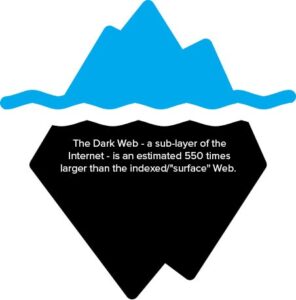
It does not store any user data or track search queries, ensuring that users can browse the deep web without fear of being monitored. NotEvil also features a clean and simple interface, making it easy for users to navigate the hidden web and discover new content. In recent years, the demand for deep web search engines has increased as users seek to uncover hidden information and access content that is not readily available on the surface web. The deep web, also known as the hidden web or invisible web, is a vast section of the internet that is not indexed by traditional search engines like Google or Bing. This mysterious part of the internet is estimated to be up to 500 times larger than the surface web, making it a goldmine of information, both legal and illegal.