Black marketing in vehicle/cooking fuel became widespread during the 2015 Nepal blockade; even after it was eased and petrol imports resumed, people were not getting the fuel as intended and resorted to the black market. An example of an illegal or black market would be the human trafficking market that engages in the capture of people throughout the world and their sale into various areas, such as forced labor and prostitution. This is because more people would be coerced (ie, into not selling) if such markets were to be prohibited. Of course, rejecting this anti‐market argument does not show that markets in human kidneys should be legalised. But it does show that one of the main objections to them should not be accepted.
The choices consumers make directly influence the demand for illicit products and services, which, in turn, drives the profitability of these underground operations. To combat the allure of the black market, it is crucial to raise awareness about the far-reaching consequences of such choices. By understanding the ramifications of their decisions, consumers can make more informed and socially responsible purchasing choices, diverting their economic support away from criminal organizations.
- For example, suppose you are on vacation with your family in an exotic location and run out of formula for your baby.
- Recently Russian ships have been found involved in smuggling oil products to North Korea through ship to ship transfers.
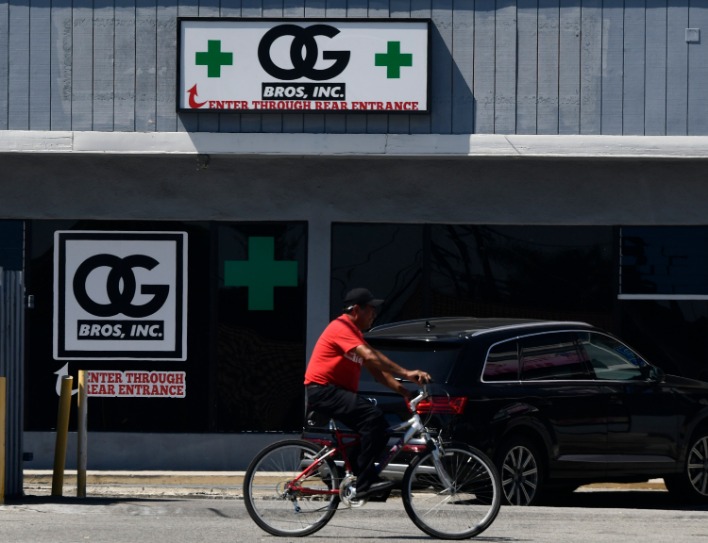
- So now, years afterthe first legalization of recreational cannabis in 2012, the illegal marketsshould be fading into obscurity.
- Underground economies are a familiar scene in nearly every country, but they are most prevalent in less- or under-developed areas.
- Founded in 1993, The Motley Fool is a financial services company dedicated to making the world smarter, happier, and richer.
- Such activities are generally referred to using the definite article, e.g., “the black market in bush meat”.
By understanding the common types of trade-related black market activities, we can work towards combating these illegal practices and promoting a safer and more ethical global trade environment. Understanding the nature and consequences of trade-related black market activities is crucial for implementing effective measures to combat these illicit practices. Governments, international cooperation, and advancements in technology play significant roles in combating trade-related black market activities, as we will explore in the subsequent sections of this article.
Pro‐market Argument From Regulatory Control
The main sponsors are The Transplantation Society and the International Society of Nephrology. The kidney presently available is for sale “from the most reliable medical experts in the world,” according to a website description. Delmonico has visited cities like the Philippine capital Manila, where he said family donations are rare and organs are routinely purchased.
What Country’s Have Biggest Black Markets, And What Is Their Role In The Overall Economy?
- The United States attacked Iraq because it feared that Saddam Hussein had acquired weapons of mass destruction.
- The authors show that partial legalization of banned goods does not reduce black market activity effectively.
- Trillions of black money have been thrashed into the Swizz accounts by corrupt businessmen, politicians, and bureaucrats.
- Yet, many who oppose such legalisation claim that it is naive to believe that regulated markets in human kidneys would mitigate the abuses of the black market.
- If individuals who want to buy more than the legal limit are willing to pay an extra price for this service, there will be merchants willing to ignore the government’s rationing limits to sell the goods for increased profit.
It is trade that breaks the rules — the laws, regulations, licenses, taxes, embargos, and all the procedures that nations employ to organize commerce, protect their citizens, raise revenues, and enforce moral codes. It includes purchases and sales that are strictly illegal everywhere and others that may be illegal in some countries and accepted in others. Illicit trade is highly disruptive, of course, to legitimate businesses — except when it isn’t. For as we shall see, there is an enormous gray area between legal and illegal transactions, a gray area that the illicit traders have turned to great advantage.
Why Do Black Markets Exist
These efforts are crucial in safeguarding economies, protecting legitimate businesses, and ensuring the safety and well-being of individuals affected by illicit trade. Furthermore, trade-related black market activities undermine legitimate businesses by creating unfair competition. Counterfeit goods, for example, can deceive consumers and erode trust in legitimate brands. The sale of illicit products also poses risks to consumer health and safety, as these goods may not meet regulatory standards or undergo quality control measures (PMI Global). The prevalence of counterfeit medicines, cosmetics, and electronics in the black market can have severe consequences for public health.
Everything You Need To Know About Smuggling In No Man’s Sky
As the war wore on, Southerners faced runaway inflation, widespread shortages, and, for some, the real possibility of starvation. Southern women, especially those left behind by Confederate soldiers, demanded government action. Similar events also were reported in Richmond, Virginia; Mobile, Alabama; and Augusta, Georgia. Confederate states and cities sometimes responded with price controls or antimonopoly laws, which almost never succeeded. Nonetheless, many people deemed the plant to be harmless and continued buying and selling it illegally. Subsequent studies refuted the idea that marijuana was linked to crime while declaring that the drug was neither addictive nor a gateway to other drugs.
The penalties against money laundering are often severe, so legitimate businesses must be careful to avoid accidentally participating in it. So the ‘let it rip’ approach falls down because it assumes that politicians are rational actors when they are not. It is possible that things will have to get worse before they get better, but it is equally likely that things will get worse and stay worse. The Tobacco and Vapes Bill passed its second reading by 415 votes to 47 in November, a thumping victory for the prohibitionists. By 1932, political leaders had recognized that Prohibition was a failure, and the prospect of increased tax revenue was appealing during the Great Depression. The 21st Amendment was passed, reversing the 18th Amendment, which had banned alcohol, and legal drinking was reinstated.
Why Do Black Markets Exist?
In 2012, the Max Planck Institute for the Study of Societies (MPIfG) began studying the sector. Director Jens Beckert led a team of scholars and academicians to figure out the difficult lines that separate the black market. The various cycles of manufacture, distribution, and consumption are difficult to track and may not be steadfastly criminal compared to human trafficking or the drug trade.
The Unrecorded Economy
Others argue that trade in items available on the black market should be illegal due to their moral ambiguity or downright offensiveness. Non-market activities, such as the production of household services or favors exchanged by friends and neighbors, fall into this category. These reasons can be as simple as obtaining items that they can not legally buy, such as outlawed drugs and weapons. With 90 percent of the world’s goods, 30 percent of which are total hydrocarbons, traded by sea, much of the illegal fuel trade is conducted on water. Two thirds of global daily oil exports are transported by sea, reports the UN Conference on Trade and Development, and a staggering 64 percent of international waters are areas beyond any national jurisdiction. Non-state actors offshore West Africa, Bangladesh or Indonesia take advantage of loopholes created by international law and the law of the sea.
How ICE Enforces Immigration Laws
As with other trading, currency exchange (the conversion of one country’s currency to another’s, such as the conversion of British sterling into U.S. dollars) occurs on the black market in order to avoid government fees and regulations. The term began to be used widely during World War II (1939–45), when strict government rationing was widespread in Europe and illegal trade flourished. The list of activities deemed to be underground economic transactions varies, depending on the laws of a given jurisdiction.
Professor Ambagtsheer also advocates for the exploration of an ethical organ trade. Professor Martin points out the majority of patients who travel for transplants have done so legitimately. For example, they could be returning to their home country to receive a transplant and be cared for by family. An all-party parliamentary committee recommended the bill not be passed, instead calling on the federal government to deliver more public awareness campaigns. In recent years, Professor Martin says there have been several organ trafficking rings busted throughout India and the Philippines. “One cannot perform an illegal transplant without the involvement of highly specialised medical staff, infrastructure and equipment,” Professor Ambagtsheer says.
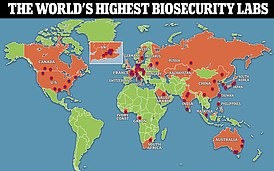

A black market may arise to make illegal goods and services available or to make expensive items available for less money (such as pirated music or software). Large metropolitan areas provide anonymity and a vast customer base, making it easier for unregulated businesses to operate without detection. Cities with significant tourism traffic, such as Bangkok or Dubai, often see thriving black markets catering to visitors seeking counterfeit luxury goods, unlicensed tour services, or unauthorized currency exchanges. The presence of informal labor markets in these cities also facilitates off-the-books employment, as enforcement agencies struggle to monitor the sheer volume of transactions. Another financial incentive is the ability to exploit price controls and trade restrictions.