For instance, Edward Snowden used the dark web to reveal that NSA surveils all US citizens, even if someone has no criminal history. And the dark web (aka darknet) is still a smaller section, up to 5% of the entire internet. Understanding the distinctions between the dark web and the deep web environments is essential for developing effective cybersecurity strategies.
Access And User Experience
The TOR (The Onion Router) maintains the most popular tool for Dark Web access. Law enforcement routinely shuts down and prosecutes sites and people doing illegal things on the Dark Web. However, these risks are similar to those on the surface web and the solution are the normal cybersecurity practices (secure connections, Multi-Factor Authentication, password managers, etc.). The darknets it operates on aren’t usually accessible via regular browsers – as we said, the Tor Network requires the Tor Browser. If your Social Security number is found on the dark web, take immediate action to protect yourself. Place a credit freeze or lock on your credit reports, monitor your credit reports and financial accounts closely for any unauthorized activity, and consider enrolling in a credit monitoring service.
The Connection Between Dark Web And Cybercrime
The surface web is also known as indexed or visible web, which every user accesses in their daily internet activities. People use the surface web for mundane tasks like visiting their favorite website, watching movies online, or shopping. The differences between the Deep Web and the Dark Web have implications for law enforcement. Agencies are increasingly concentrating on monitoring Dark Web activities due to the rise in cybercrime and illegal trade, attempting to enact appropriate measures to protect general society. Next, select a dark web search engine like DuckDuckGo that can help you find dark web websites that cannot be indexed by traditional surface web search engines, such as Google or Bing.
How To Safely Access The Dark Web?
- But, of course, exercise caution and stay away from anything illegal.
- The adoption of the internet worldwide created a need for making international payments that were digital and could not be traced, and cryptocurrencies were the perfect fit.
- With Pipeline, your enterprise can navigate the web securely, free from the fear of falling victim to cybercrime.
- However, depending on the systems and software involved, authentication can be very complex to implement, and errors in implementation can undermine the purpose entirely.
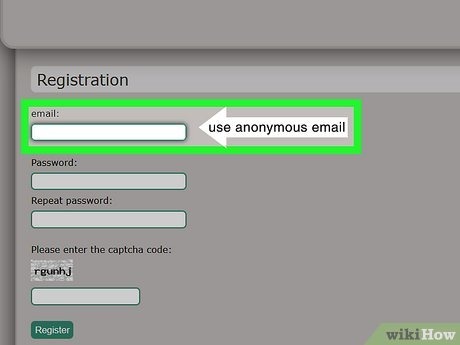
- To help find functioning .onion URLs, look to dark web directories and forums — Reddit users recommend tor.taxi, tor.watch, daunt.link, or one of the Hidden Wikis.
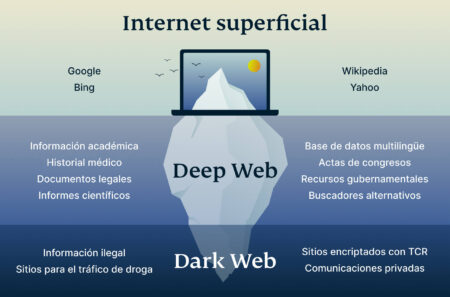
The deep web is the internet portion that cannot be indexed by web search engines, such as Google or Bing. In fact, it includes a very large part of the internet which can only be accessed if one has particular information or credentials about accessing it. Databases are some of the significant parts of the deep web which include academic resources, medical records, and legal documents. Such databases contain highly valuable information so far lacking in most research and professional work while being inaccessible to the public. Although the entire dark web is part of the deep web, the deep web is not a part of the dark web.
What Are Uses Of The Surface, Deep And Dark Web?
The TOR browser provides improved privacy and anonymity on the public Internet and makes it possible to access .onion sites on the Dark Web. “The Dark Web” is an overused term that can be a source of mystery and confusion for most cybersecurity professionals. Put simply, the Dark Web is any site, messaging platform, community, or other online entity that is not indexed by any search engine. A subset of the Deep Web, the Dark Web is intentionally hidden from your standard search engines, and is much more difficult to access as all its data is encrypted.
It’s Hard To Access: False
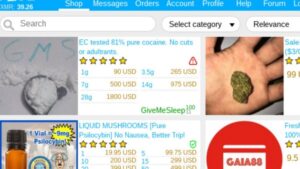
Unlike the rest of the Deep Web, the Dark Web often features illegal or contentious content, making it a focus of interest and concern among regulators and law enforcement. The dark web is home to the internet’s hidden sites, services, and products — some innocent, others downright dangerous. Read on to learn the pros and cons of the dark web, how to access it, and get tips for staying safe. Then, install Norton 360 Deluxe to get AI-powered scam detection to help secure your browsing against online threats. H25.io is a premium directory in the Tor network, offering access to a diverse and meticulously curated list of onion sites.
Unlike the public surface web, which is open to everyone, the Deep Web comprises information hidden from public access. All the websites and services you visit when searching on Google, Bing, or other regular search engines are part of the surface web, which is also known as the Clear Web. This part of the Internet is available to everyone without the need for special tools. Although most people use the Tor browser to access the dark web, it can also be used free of charge to gain privacy while surfing the normal indexed web (clear web/surface web). The benefit of using Tor to surf the regular internet is that your activities will be private. Thanks to a strong layer of encryption, your ISP cannot know which websites you’re visiting.
What Is The Best Dark Web Vpn?
If the surface web is the visible part of an iceberg above water, the deep web is the part submerged beneath – much larger but hidden from plain view. Some people use the terms ‘dark web’ and ‘deep web’ interchangeably; however, significant portions of the deep web are completely legal and safe to use. While criminal activity does occur on the dark web, how people choose to use the dark web is what matters.
To access Dark Web sites, it is necessary to use a Tor-enabled browser. Additionally, many Dark Web sites are discoverable only via special search engines, following links from one site to another, or word of mouth. The Deep Web is a section of the Internet that is inaccessible via search engines but can be accessed via normal browsers. It is composed of “non-indexed” content that is unreachable by the web crawlers used by Google, Bing, and other search engines to find and link pages. The dark web has a narrower scope, comprising a collection of purely non-indexed websites not searchable via regular web browsers. Most dark websites are used for illegal and illicit activity, but a few legal sites exist.
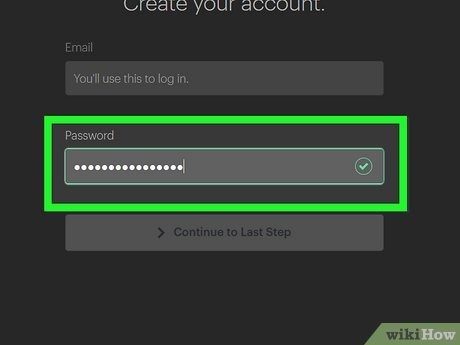
They asked for our personal information in exchange for access to the forum. We didn’t give them any information, but it’s scary to think how legitimate they sounded in the email. Coming up with strong passwords and memorizing them all is next to impossible to do on your own. We recommend using a password manager to aid you in generating, managing and securely storing all your passwords, passkeys and data. With a password manager, the only password you’ll have to remember is your master password.
- Even if these resources are indexed by the search engines, one must possess credentials to be able to access the pages or sites that are guarded through authentication.
- Make Tech Easier provides tech tutorials, reviews, tips and tricks to help you navigate the complicated world of technology.
- That’s right, not only is the dark web not accessible via search engines, it’s not even enough to have a link and password — you need a special browser to access it.
- This technique encrypts internet traffic in layers, ensuring users can anonymously and safely enter these hidden service sites without leaving a digital footprint.
- That includes not only obscure forums and leak sites, but also widely used developer platforms like GitHub, which have increasingly become a source of risk for modern organizations.
But at this point, you have read the article and learned the basics. Perhaps that has awoken you to the need to maintain your privacy and security on all of those webs? If you watched a single procedural TV series recently, they definitely featured at least a single internet-heavy episode. Aside from questionable keyboard use, they will have thrown around terms like “deep web” or “dark web.” Those are not some made-up hacker terms to confuse the audience — those are actually real things! And we’re here to tell you about the differences between the deep web and dark web. We might have found the Titanic, but there is a lot to discover in the bottomless oceans.
Although you can’t use just any browser, all that’s needed is downloading and installing a special browser like Tor. Users of the Dark Web will often use a VPN to hide their identity and location further, but accessing the Dark Web is not required. The dark web is actually considered to be a small part of the deep web. It can only be accessed through special networks like Tor or via static IPs shared privately. However, the dark web is also used by individuals seeking online privacy or to bypass censorship in their home countries. Specialized browsers like Tor enable anonymous access to this part of the web.
Prioritizing internet safety—utilizing encryption, employing secure passwords, practicing cautious engagement—can significantly reduce experiences of danger in both the deep and dark webs. As digital landscapes continue to evolve, so too must our commitment to understanding and navigating these complexities safely. Ultimately, the Deep Web serves as an essential backbone for modern digital life—enabling privacy, secure collaboration, and the storage of sensitive information. The Dark Web, on the other hand, extends these privacy benefits while also harboring illegal marketplaces, hacking forums, and other activities that attract criminal elements. On the other hand, the dark web welcomes more distinct groups of users, like criminals, whistleblowers, or political dissidents, who leverage off the anonymity the dark web provides. With that said, any regular internet user can visit the dark web, which is not illegal to use.
Privacy and security work differently in each one, and it’s important to know what to expect. In other words, the Deep Web is everything you use daily but isn’t open to the public. When asked about the deepweb, he looked a bit taken aback by the question.