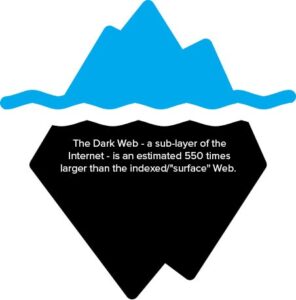
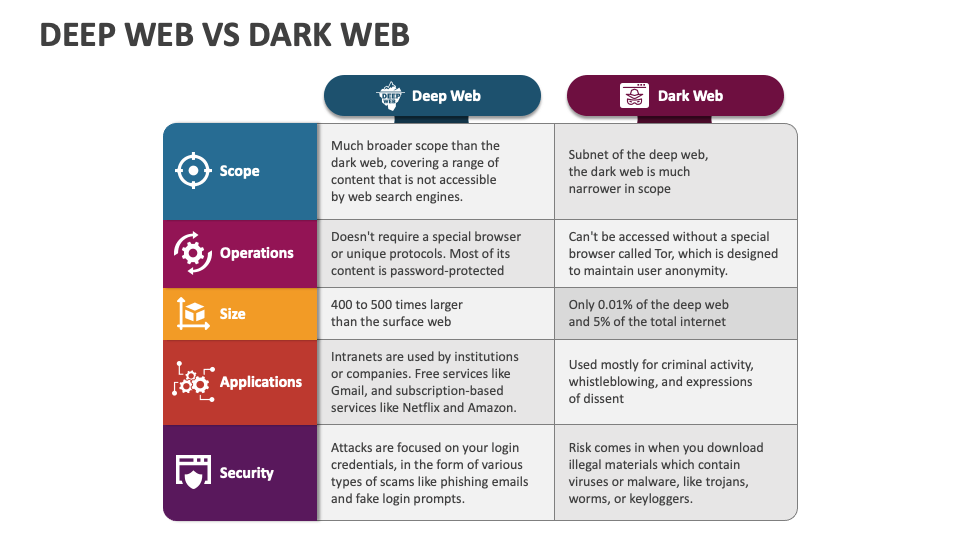
I like to think about the impact that the internet has on humanity. The deep web is approximately 400 to 500 times greater than the surface web. The dark web is only a small fraction of the deep web—constituting only 0.01% of it and 5% of the total internet. Despite its depths, not all of the deep web poses a threat; indeed, much of it enhances global knowledge and educates individuals participating in specialized fields. NordVPN is a high-performing VPN we frequently recommend to our readers, and 1Password is a secure password manager we have reviewed in detail. Both of these are excellent utilities you can try without second thoughts.
Still, even if it were real or will be real, paying for access is not the way to go. Don’t wait for a breach to act – contact the NordStellar team today and proactively update your data security strategy. In 2021, LinkedIn disclosed the exposure of 700 million user records. The data included phone numbers, email addresses, and other personally identifiable information – a gold mine for phishers. We would also advise consulting your legal team when writing dark web security policies.
- Domain addresses on the dark web typically use non-standard top-level domains like “.onion” instead of common extensions like “.com” or “.org,” making them inaccessible through conventional browsers.
- Although the Deep Web and the Dark Web share the trait of not being indexed by search engines like Google, in practice their users, purposes, and risk levels are very different.
- Understanding the difference can help you avoid potential risks and stay secure online.
- In contrast, accessing the Dark Web comes with significantly higher risks due to its nature as an anonymous network.
- David is a programmer and writer who has worked as a software developer at MIT.
- This can be through many means by clicking a random link, receiving a phishing email, and much more.
Final Thoughts On Managing Deep And Dark Web Exposure
Only concerned people have access to it and it is encrypted and password protected. Besides this, Freenet is also a darknet that is used for file transfer anonymously, there are many other darknets available. Since the Dark Web is a collection of websites that are only accessible via darknets, let’s take a moment to define what darknets are.
What Is The Difference Between Deep Web And Dark Web?

The Deep Web’s design prioritizes privacy, inherently limiting accessibility. Content remains invisible to search engines, requiring users to possess specific credentials or URLs. Using Tor, websites hosted on the dark web can only be viewed by visitors connected to the Tor network. Therefore, this content is inaccessible to most online users, and it is difficult to track the visitors of such websites.
What Is The Deep Web Vs Dark Web
Monitoring tools detect compromised data and automatically generate alerts. Security teams gain time to mitigate potential threats (for example, by requesting password changes for affected users). The deep web includes web content that is not indexed by search engines.
Is The Deep Web Or Dark Web Safe To Access?
All sites on the dark web end with “.onion,” as opposed to “.com” or “.org” commonly seen on the surface web. That’s a deliberate ploy so that only browsers with specific proxies are allowed to access those sites. It’s also very difficult to remember the URLs of sites on the dark web, which is another way to maintain their anonymity. While criminal activity does occur on the dark web, how people choose to use the dark web is what matters. There is only one way to access the dark web, and that’s through an onion router.

You may have heard of the terms shadow web, dark web and deep web is used when referencing the internet but aren’t quite sure what they mean. While the media often uses the terms deep web vs dark web vs shadow web interchangeably, they do refer to different areas of the web. Here you can learn the key differences between Deep Web vs Dark Web vs Shadow Web and what each of these terms refers to. The Surface Web underpins many modern conveniences, from online shopping to connecting with friends, and it serves as the primary gateway to information for billions of people worldwide. While it protects your identity, it can also expose you to interactions with dangerous threat actors. The Deep Web refers to parts of the internet that aren’t indexed by standard search.
Understanding The Deep Web, Dark Web, And Darknet (2025 Guide)
This will help you understand what type of attacks to be on the lookout for when you’re browsing online. The darknet is a network, and the deep web constitutes the chunk of the World Wide Web that is beyond the reach of the search engines. So, we can decipher the dark web as the World Wide Web of the darknets like Tor, Freenet, etc. That is, the services and websites running on the darknet is the dark web. The key difference between the deep web and a dark web is that they both are different from the surface internet and cannot be accessed for general purposes.
Deep Web Vs Dark Web – Difference Between Them
Darknet provides a user with anonymity but a service was introduced that allowed someone to host a website on the darknet and remain anonymous. To access such a database, one must need specific tools and software, and would require a lot of precautions to access such data. Lastly, the “dark web” is a different category of the Internet and is sometimes confused as part of the deep web.
Companies need to update their threat prevention techniques to monitor dark web environments. However, using the deep web for legitimate reasons is uncontroversial. Start a free 30-day trial of Keeper Password Manager today to begin securing your accounts from common cyber threats on all parts of the internet. One dark web monitoring tool that works alongside Keeper Password Manager is BreachWatch®. BreachWatch monitors for suspicious activity on the dark web and alerts you as soon as any dark web activity matches the credentials stored in your Keeper Vault.

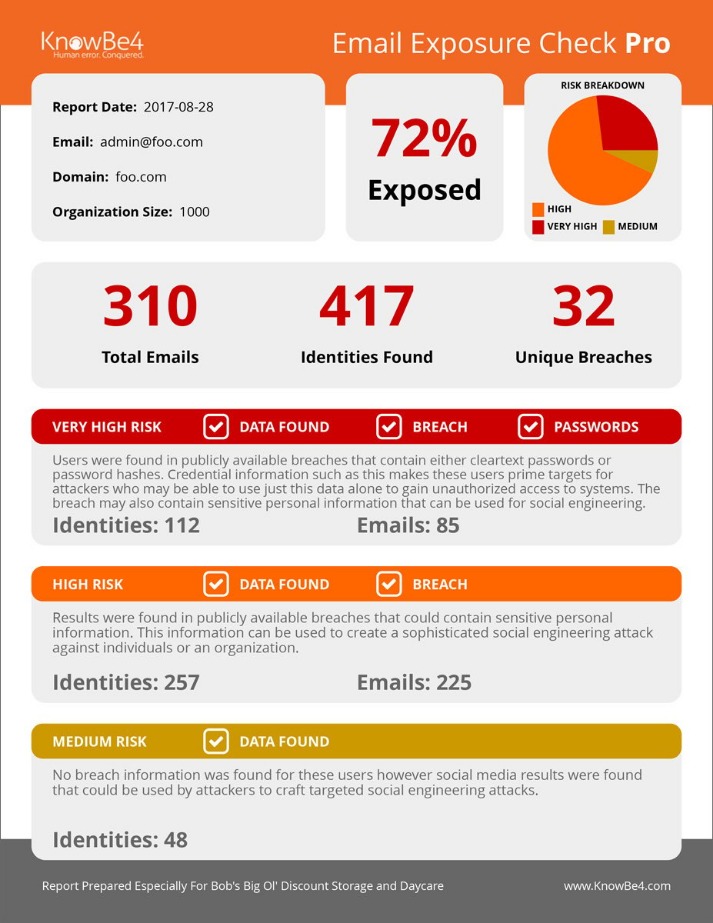
Many of the email addresses and identities of your organization are exposed on the internet and easy to find for cybercriminals. With that email attack surface, they can launch social engineering, spear phishing and ransomware attacks on your organization. KnowBe4’s Email Exposure Check Pro (EEC) identifies the at-risk users in your organization by crawling business social media information and now thousands of breach databases. You need special software to access the Dark Web because a lot of it is encrypted, and most of the dark web pages are hosted anonymously.
It’s a way to access a more open internet since the dark web is decentralized. You’d also enjoy anonymity and privacy thanks to Tor’s encryption and routing, something you don’t get from most normal browsers. But, of course, exercise caution and stay away from anything illegal. The answer, of course, is by using dark web browsers like the open-source platform Tor. If you’ve done any amount of reading about the dark web, you’ve probably seen that iceberg illustration about the World Wide Web.
Ultimately, the Deep Web serves as an essential backbone for modern digital life—enabling privacy, secure collaboration, and the storage of sensitive information. The Dark Web, on the other hand, extends these privacy benefits while also harboring illegal marketplaces, hacking forums, and other activities that attract criminal elements. While the deep web is definitely safer than the dark web and its criminal activities, some unindexed sites may contain the same threats. In fact, since the deep web can be accessed from a regular browser, you actually have to be more careful. When most people talk about the deep web, the conversation often turns to nefarious or malicious uses.
Is Accessing The Dark Web Illegal?
- As a couple of real-world examples show, it’s an active site for the preparation and monetization of cyber attacks.
- This makes it nearly impossible for anyone—governments, internet providers, or hackers—to trace your browsing activity back to you.
- Each of these nodes only knows where the packet just came from and where it’s going next, as each layer of an encryption onion is stripped from the packet contents.
- This part of the web is indexed and easily searchable by popular search engines like Google, Bing, and Yahoo.
- It’s quickly been adopted by criminals to shuffle illegal content and communication around the world.
You can’t access the deep web or dark web using standard search engines like Google, because neither is indexed. To access content on the deep web, you simply need the correct links and credentials, while the dark web requires specialized tools, like Tor. Protection from malicious software on the dark web involves several key steps.